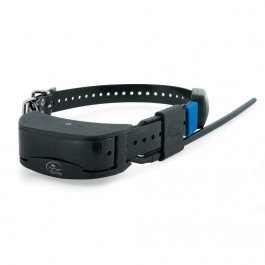
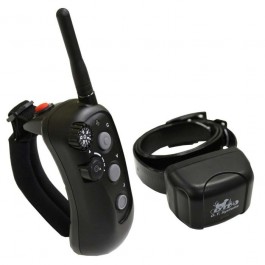
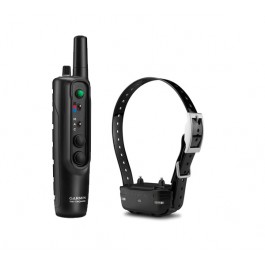
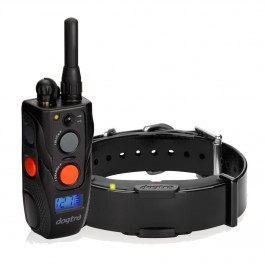
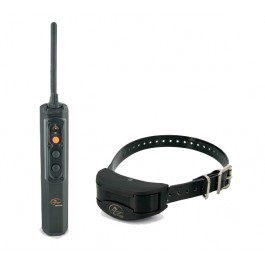
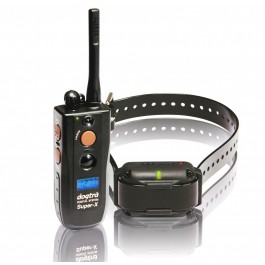
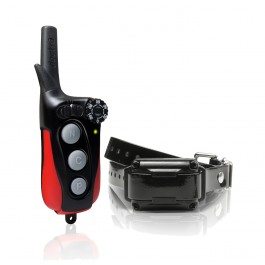
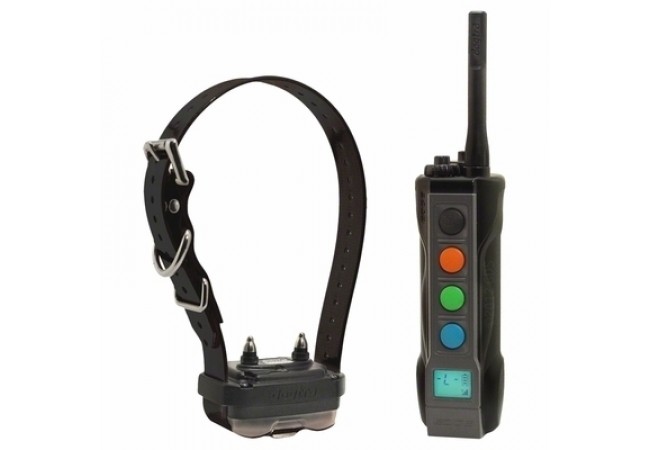
Dog training collars are very safe and effective tools that you can use to teach basic commands, solve behavioral problems, and train your dog to do just about anything you can think up. Most people I meet are looking for a training collar to do one of two things: address a behavioral issue or train basic obedience. Dog training collars can help with both of these goals.
The first thing we need to understand when it comes to dog training collars is that all collars on the market can be used to solve problem behaviors but not all collars can be used for training obedience and commands. Selecting a dog training collar can be a daunting task but I hope that poking through this blog will help you to choose the right dog training collar for you and your pet.
Below are a few basic criteria you may find helpful for comparing dog training collars. I’ll discuss each of these in greater detail in separate posts, but this short list will give you an idea of what to look for in a dog training collar.
Price: Dog training collars (including no bark collars) are available in a range of prices from under $100 to over $1000. In general you get what you pay for and while the cheaper units will do the job, the question becomes ‘for how long?’ and ‘how well?’ The lower price dog training collar systems like those by Innotek also tend to have a shorter range. These systems work well for at home and in yard training but are not ideal for a working dog in the field.
Range: Dog training collars are designed to work at a distance (hence the ‘remote training collars’ name). Dog training collars have a maximum range, or distance between the receiver and the remote. Choose a shock collar that can handle the range you want to work in with your dog. System range is generally tied to the price. The more expensive dog training collar systems like the SportDog and Tri-Tronics tend to have much greater range.
Controls: Different dog training collar systems have different transmitter controls. Most transmitters have a combination of dials and buttons and if you’re working with your hunting dog you’ll want to make sure you can use the transmitter without having to fumble around looking at it. You also want the buttons and dials to be easy to use and responsive.
Stimulation Type: There are two types of stimulation available in dog training collars: continuous stimulation and momentary stimulation. Continuous stimulation starts when you press the button and stops when you release. Momentary stimulation lasts just for a fraction of a second no matter how long the button is held. While momentary stimulation can be used to tackle problem behavior, continuous stimulation is much more effective for training commands.
Stimulation Levels: Dog shock training collars come with a wide variety of stimulation levels. Some collars have as few as 2 stimulation levels while other dog training collars have upwards of 100 levels. Some dog training collars also have vibration and/or tone only modes. A wider range of stimulation levels gives you more control over the exact levels. For some very sensitive dogs, a wider range is needed to find the correct levels for that dog.
Batteries: Batteries can be a big issue for people who plan to get a lot of use out of their e-collar. Most people prefer a rechargeable battery system to a replaceable battery system, at least in the collar itself. Having the ability to recharge the collar when not in use is much more convenient and also more economical than having to purchase and install replacement batteries every few months.